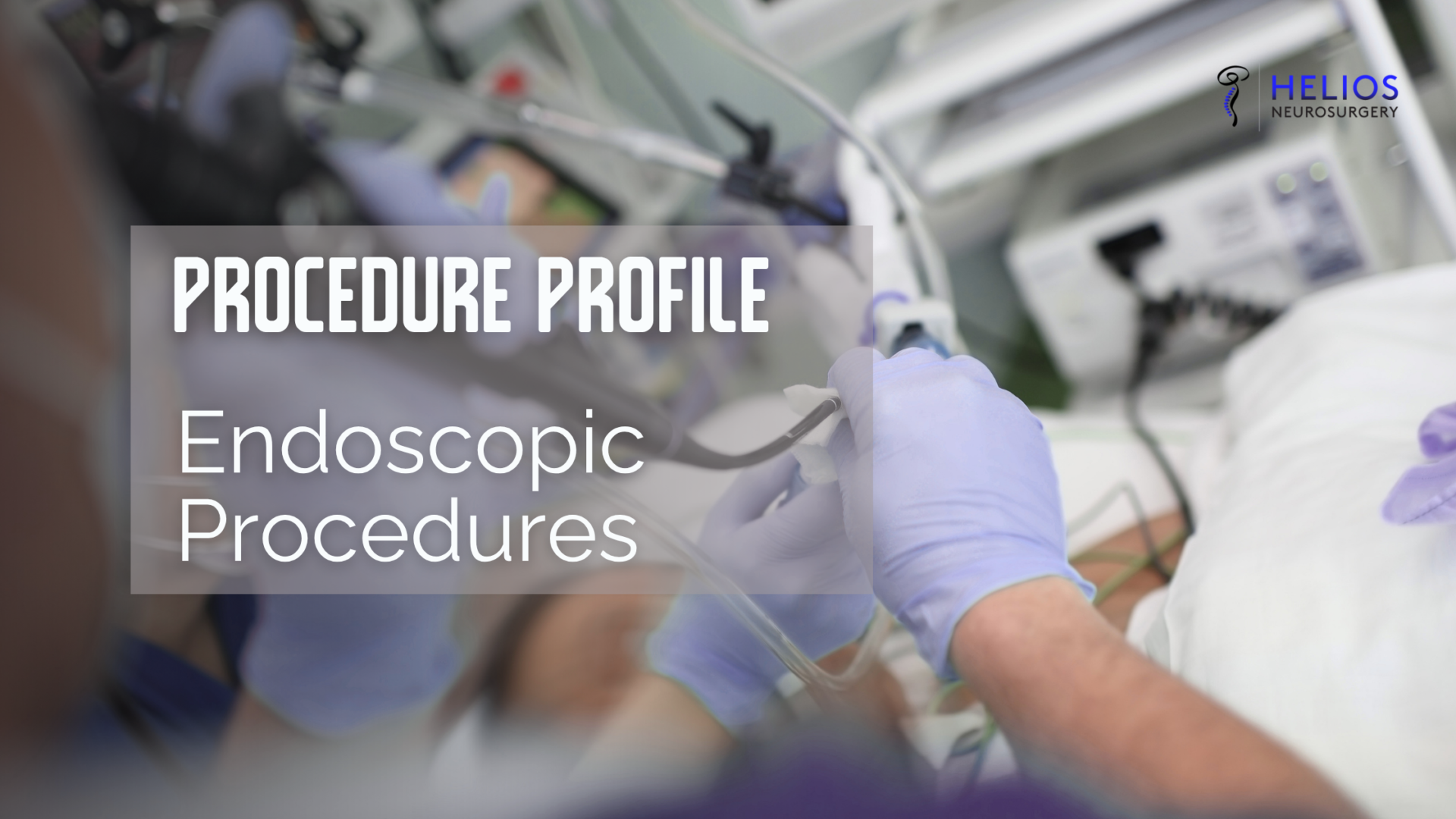
Endoscopic neurosurgery utilizes high-definition, microscopic optical technology to access deep-seated brain anatomy through minimal access corridors. By integrating a slender, rigid endoscope equipped with built-in light sources and micro-surgical channels, this approach allows a neurosurgeon to navigate the fluid-filled cavities and base structures of the brain with unparalleled visual clarity. This technique avoids the extensive brain retraction often required in traditional, open surgical procedures.
At Helios Neurosurgery, we practice complex simplicity, choosing advanced techniques not because they sound shiny, but because they provide a direct, logical benefit to the patient. Endoscopic procedures are particularly effective for treating deep midline lesions and fluid blockages within the ventricular system. Dr. Lee specializes in key endoscopic pathways, including the transsphenoidal approach and endoscopic third ventriculostomy (ETV).
The transsphenoidal approach is the gold standard for managing pituitary tumors and select skull base lesions. By introducing the endoscope naturally through the nasal cavity and the sphenoid sinus, the skull base can be accessed directly. This completely eliminates visible facial incisions, protects healthy brain tissue, and significantly shortens recovery times.
For patients experiencing obstructive hydrocephalus- often caused by a colloid cyst or pineal tumor- an endoscopic third ventriculostomy (ETV) provides an elegant alternative to a permanent mechanical shunt. Through a tiny opening, the endoscope is guided into the brain’s fluid pathways to create a microscopic bypass in the floor of the third ventricle. This intervention restores the natural, rhythmic flow of cerebrospinal fluid, resolving intracranial pressure safely and effectively.
